
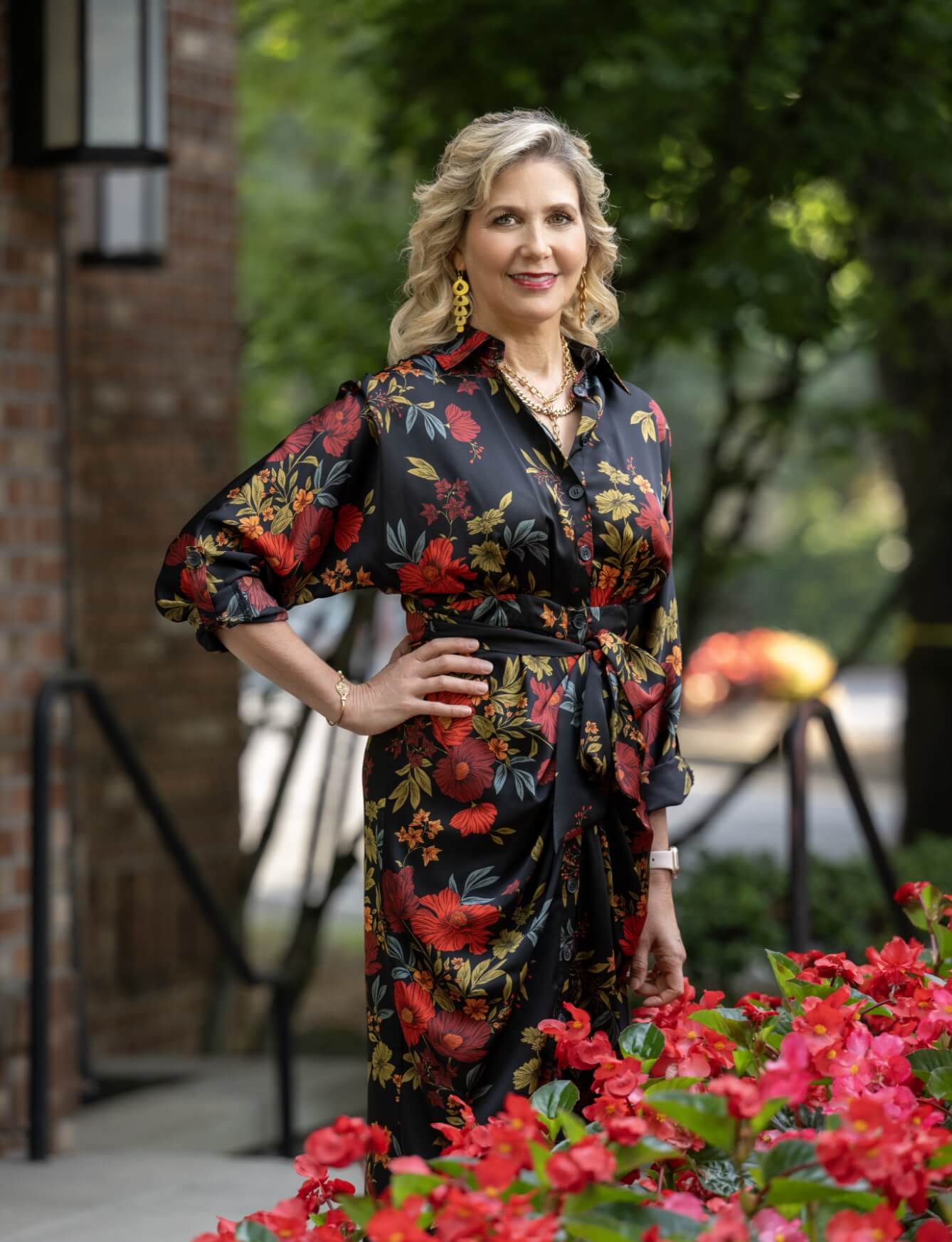
Dr. Elisa Burgess Portland Board Certified Plastic Surgeon




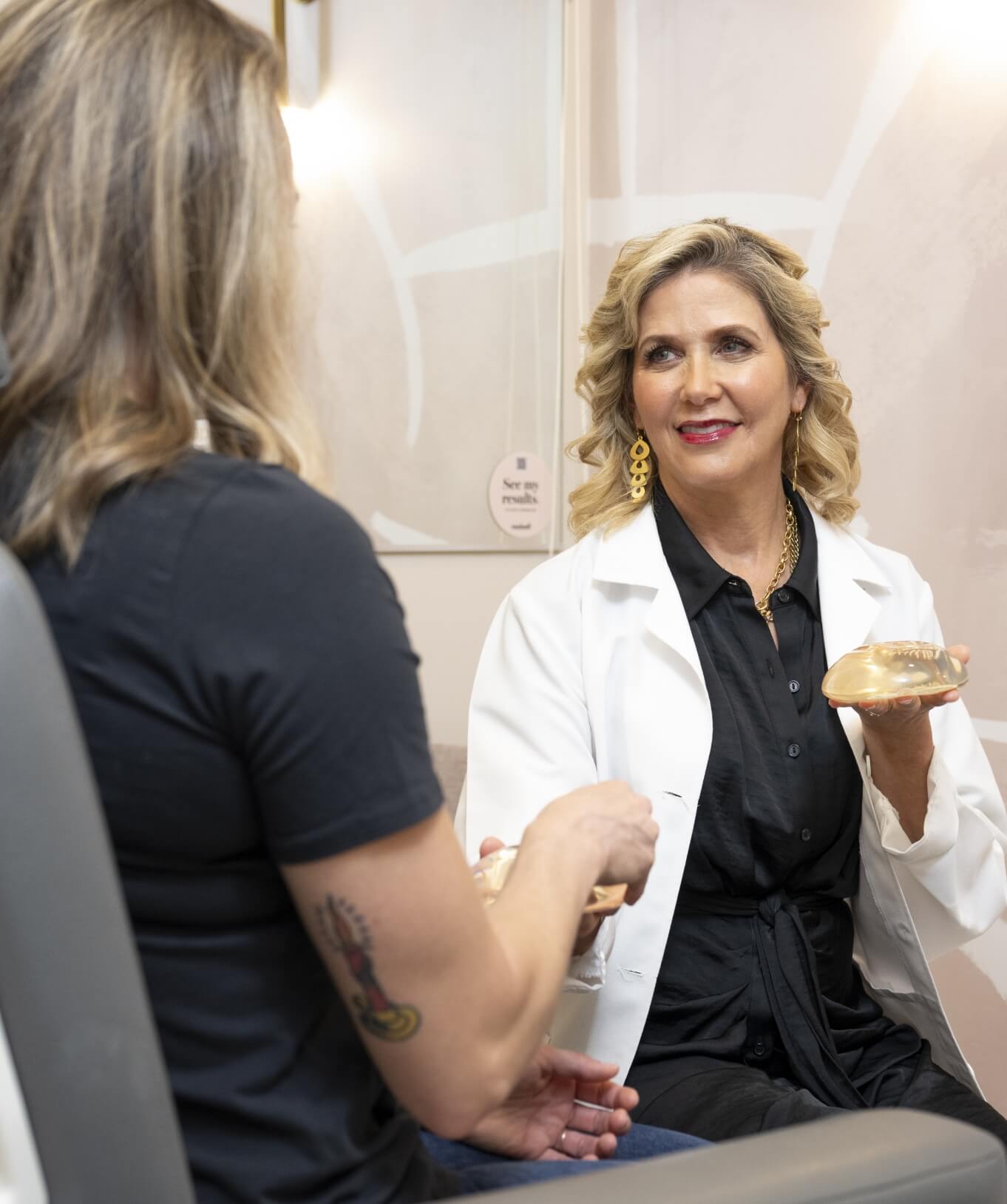

Dr. Elisa A. Burgess is a board certified cosmetic and reconstructive plastic surgeon who has a private practice in Lake Oswego, Oregon.
As a female plastic surgeon, she specializes in breast surgery for augmentation, lift, reduction and reconstruction, as well as abdominoplasty and liposuction. Her specialty practice also encompasses facial rejuvenation, including face, neck, cheek, lip and eyebrow lifts, which may be accompanied by eyelid surgery. Dr. Burgess assembles a truly comprehensive package of elements that determine your own ultimate vision: form, shape, function and balance to help you achieve your dreams of natural beauty and self-confidence.
Schedule a Consultation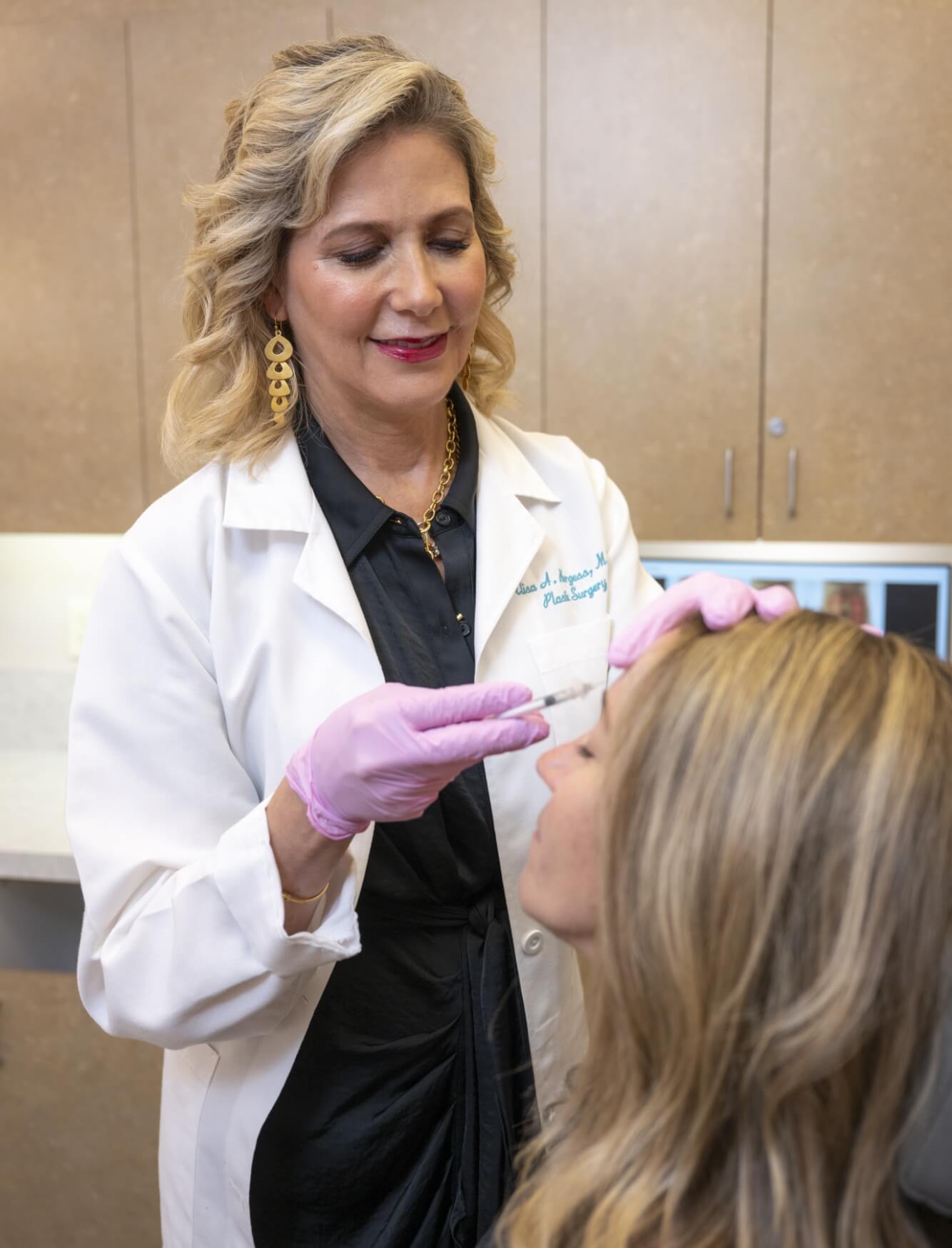

Background
Dr. Burgess was born and raised in Portland, Oregon. She received her Bachelor of Science degree from Oregon State University with honors. She subsequently began medical school at Oregon Health Science University. Following graduation, she entered her surgical internship at the University of California-San Francisco. While completing her General Surgery residency at OHSU, Dr. Burgess did research in wound healing methods at the Northwest Wound Healing Center. And in 2001, Dr. Burgess completed her Plastic Surgery training, where she received teaching and research honors. Her surgical education encompassed a total of eight years of vigorous training, culminating in double board certification in plastic and general surgery.
Dr. Burgess is board certified with the American Board of Plastic Surgeons and the American Board of Surgeons. She has publications in the “Journal of Plastic and Reconstructive Surgery” and has written chapters for “Plastic Surgery: Indications, Operation and Outcome, and Frontiers in Tissue Engineering” book publications. Dr. Burgess has offered and held many seminars and conferences.
Dr. Burgess is a member of the American Medical Association and is active in local and national surgical organizations, including Women of Meridian Park Hospital, the American Society of Plastic Surgeons, the American Society of Aesthetic Plastic Surgeons and the Fellowship of the American College of Surgeons.
Dr. Burgess has a myriad of interests aside from medicine, including skiing, hiking, traveling, yoga, eating yummy food, and reading but most of all she loves to spend time with her family.
“It’s all about relationships—both within our team and with our patients. Strong bonds are what makes our practice unique.”
~Dr. Elisa Burgess
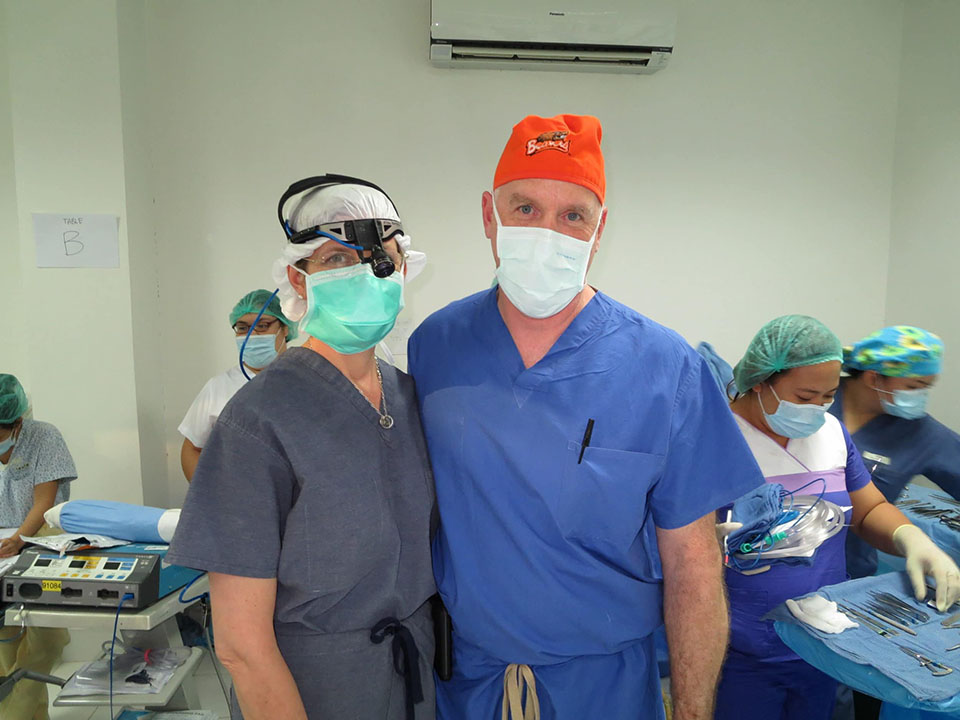
From My Last Medical Mission
My husband and I spent some time in the Philippines working to repair cleft palates. This was a rewarding experience for us both and we look forward to joining more medical missions in the near future.
Read more about our time in the Philippines in my blog
Read BlogTransformations That Speak Volumes
See What Our Patients Are Saying

Dr. Burgess and her professional staff are top notch. From the initial consultation to the final results, I couldn’t be more pleased
Dr. Burgess performed Ultherapy around my mouth and lips and within 3 weeks I felt firmer and my lips appeared to be ‘lifted’ and more shapely. Now at 2 months, I am enjoying a more defined lip line. The procedure was less painful than I expected and took less than 30 minutes.
I have visited Burgess Plastic Surgery several times for a variety of reasons. I have never had a bad experience. First of all, the clinic is always clean, warm, and inviting. The staff is friendly and helpful. They are eager to help and answer questions and make me feel safe and secure. Dr. Burgess is amazing! She always has the right ideas and I always walk away feeling beautiful without any pressure! I highly recommend this clinic!
I was really nervous about the whole process but the staff made me feel very comfortable with my procedure. She changed my life!